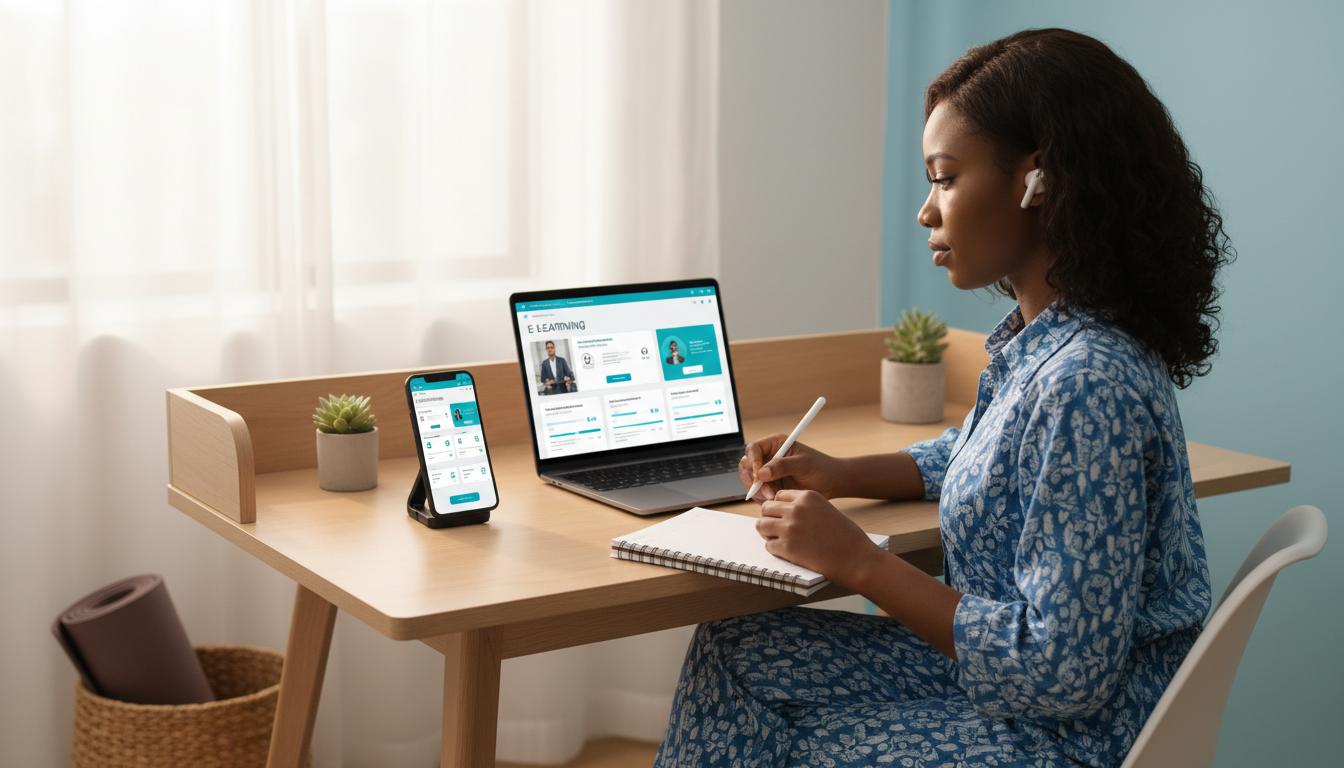
If you are still waiting for a physical classroom to start your education business in 2026, you are overlooking a massive digital goldmine. The landscape has shifted—digital learning is no longer just an alternative; it is the primary engine for skill acquisition in Nigeria. With a market projected to hit nearly $200 Million by the end of 2026, the demand for accessible, high-quality content is at an all-time high.
The real opportunity lies in building a Learning Management System (LMS) that actually works for the local environment. I want to show you the strategic blueprint for creating a scalable, "Nigerian-ready" e-learning platform that converts learners into loyal subscribers.
The Logic: Why E-Learning is Surging Now
In 2026, several structural changes have made online education a powerhouse in the Nigerian economy:
The Technical Blueprint: Building for 2026
1. The Modern Tech Stack
To handle thousands of concurrent students without your site crashing, you need a robust, unified language across your entire system.
2. Designing for the "Offline" Nigerian User
Internet data is still a major consideration in 2026. A successful LMS must be "Data-Light."
3. Localized Payment & Automation
Don't make it difficult for people to give you money. In 2026, your checkout must be seamless.
Monetization Strategies That Work
1. The "Micro-Course" Model: Instead of one massive ₦50,000 course, break it into smaller modules priced at ₦2,000 to ₦5,000. This lowers the barrier to entry and encourages impulse buys.
2. Tiered Subscriptions: Offer a "Basic" tier for recorded content and a "Premium" tier that includes live mentorship sessions and verified certifications.
3. Corporate Licensing: Don't just target individuals. Sell bulk "seats" to Nigerian SMEs who need to train their staff on new software or compliance rules.
Important Rules (The Professional Standard)
1. Protect Your Content: Piracy is a threat. Use Digital Rights Management (DRM) tools and secure video hosting (like Mux or AWS CloudFront) to ensure your videos can't be easily downloaded and shared for free.
2. Focus on Completion Rates: Most people buy courses and never finish them. Use Gamification—badges, points, and progress bars—to keep your learners engaged. A student who finishes a course is 5x more likely to buy your next one.
3. Verify Your Certificates: In 2026, "fake certificates" are a concern. Use a simple verification portal on your site where employers can input a student's ID to confirm they actually completed your program.
Final Word
Building an LMS in 2026 is about more than just uploading videos; it's about creating a reliable system that solves the "learning friction" in Nigeria. If you can provide a platform that is fast, mobile-friendly, and easy to pay for, you will lead the market.
Ready to launch your platform? If you need the capital to secure your domain and hosting, use the JaraGram Exchange to flip your digital assets into funding. If you're looking for an expert dev team to build this for you, we are ready to help.
Frequently Asked Questions
How much does it cost to build a custom LMS?
A professional-grade, custom-built LMS in 2026 typically starts from ₦1.5 Million to ₦5 Million, depending on features like AI tutors, live streaming, and mobile app versions.
Can I just use WordPress and LearnDash?
You can, but for a truly scalable Nigerian business with thousands of users, a custom-coded platform using Next.js and Node.js offers much better performance, security, and lower long-term maintenance costs.
How do I get my first 100 students?
Start with a "Freemium" model. Offer a valuable introductory module for free in exchange for their email/WhatsApp number. Once they see the value, use an automated email sequence to upsell them to your paid courses.